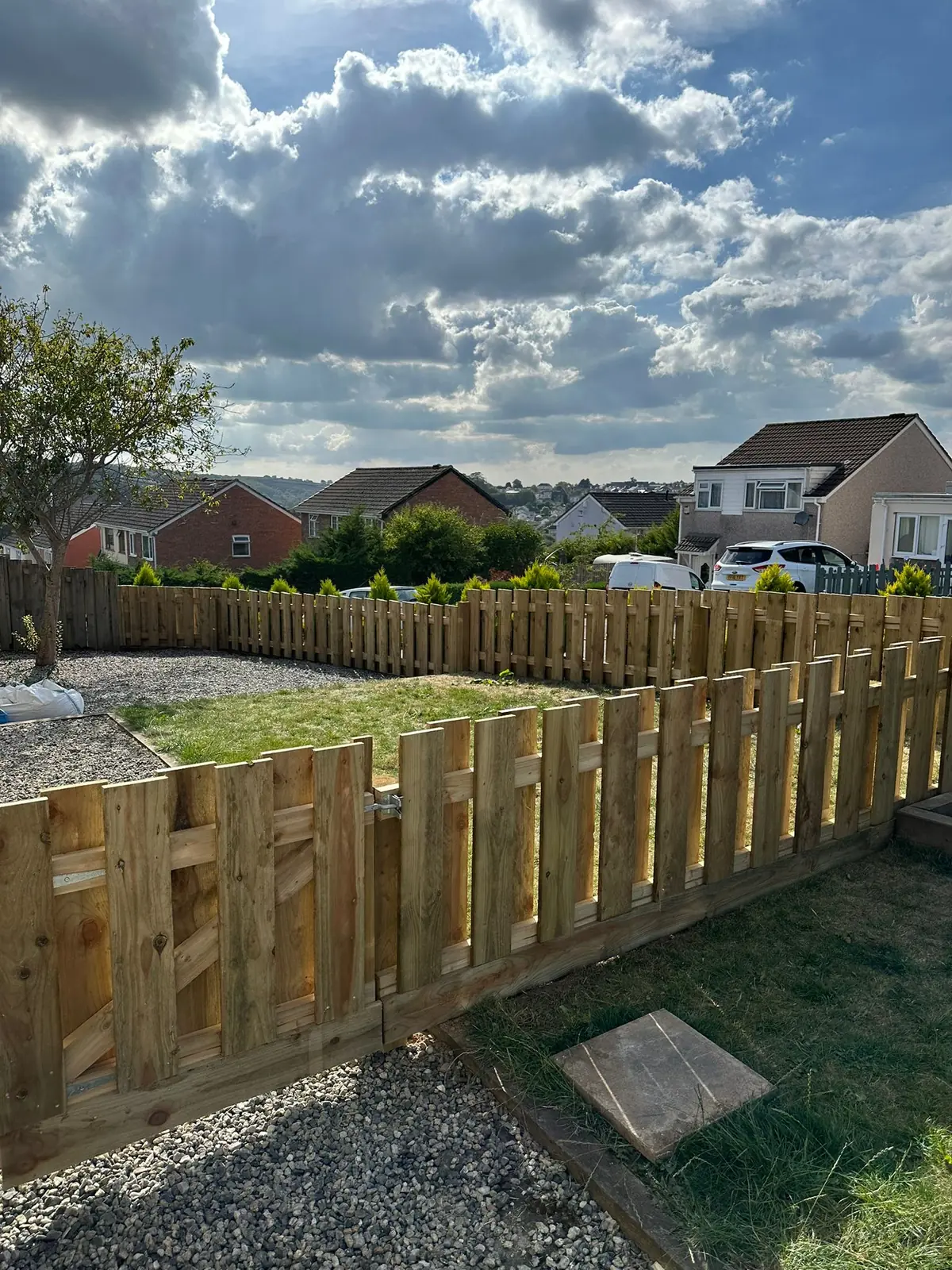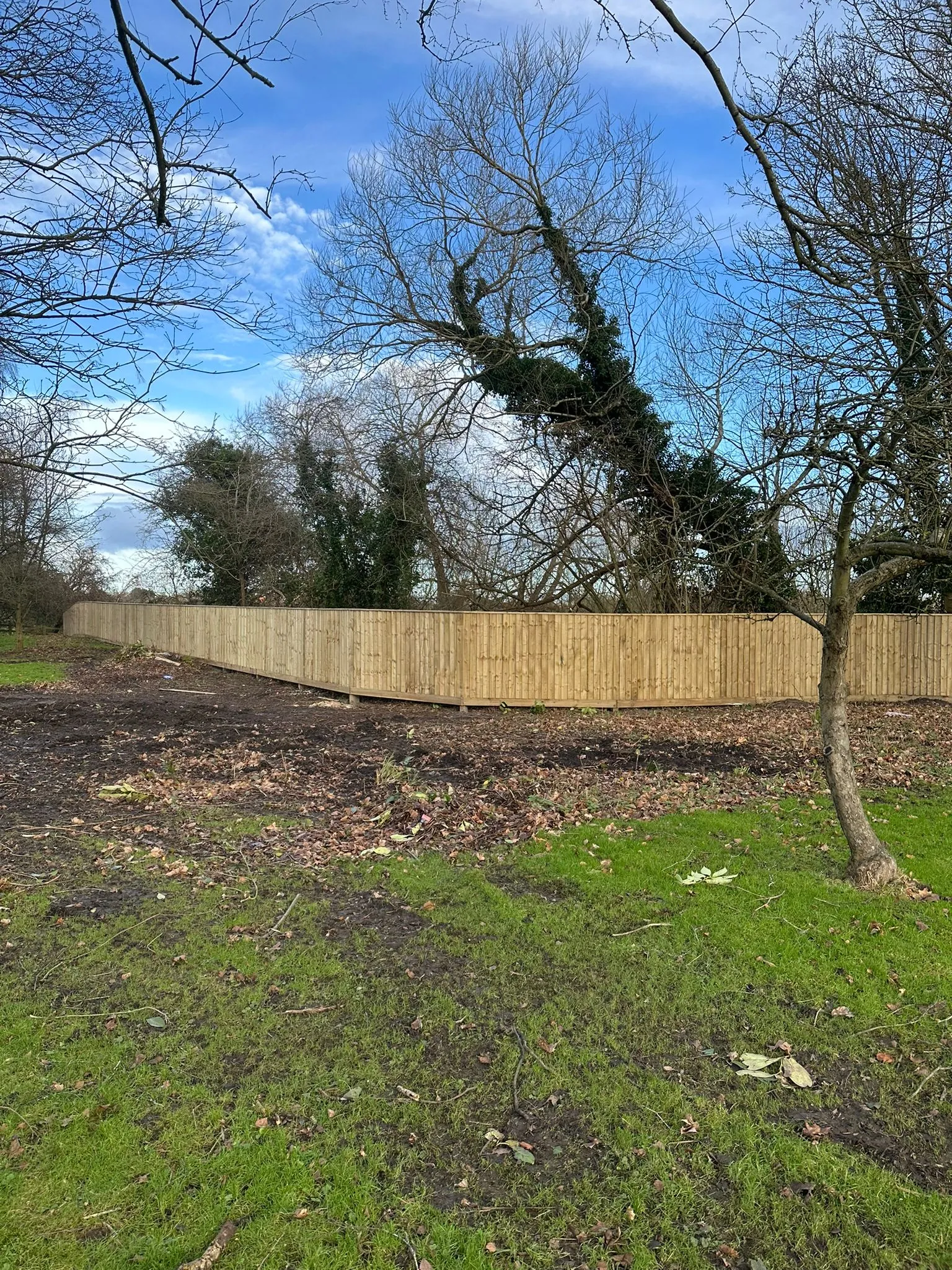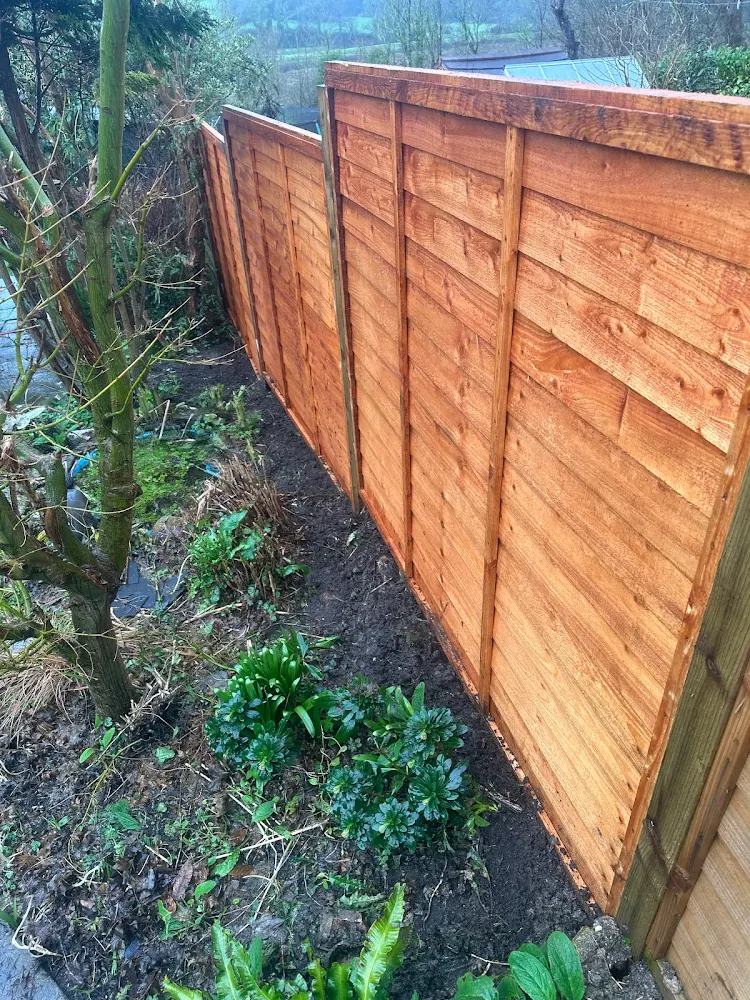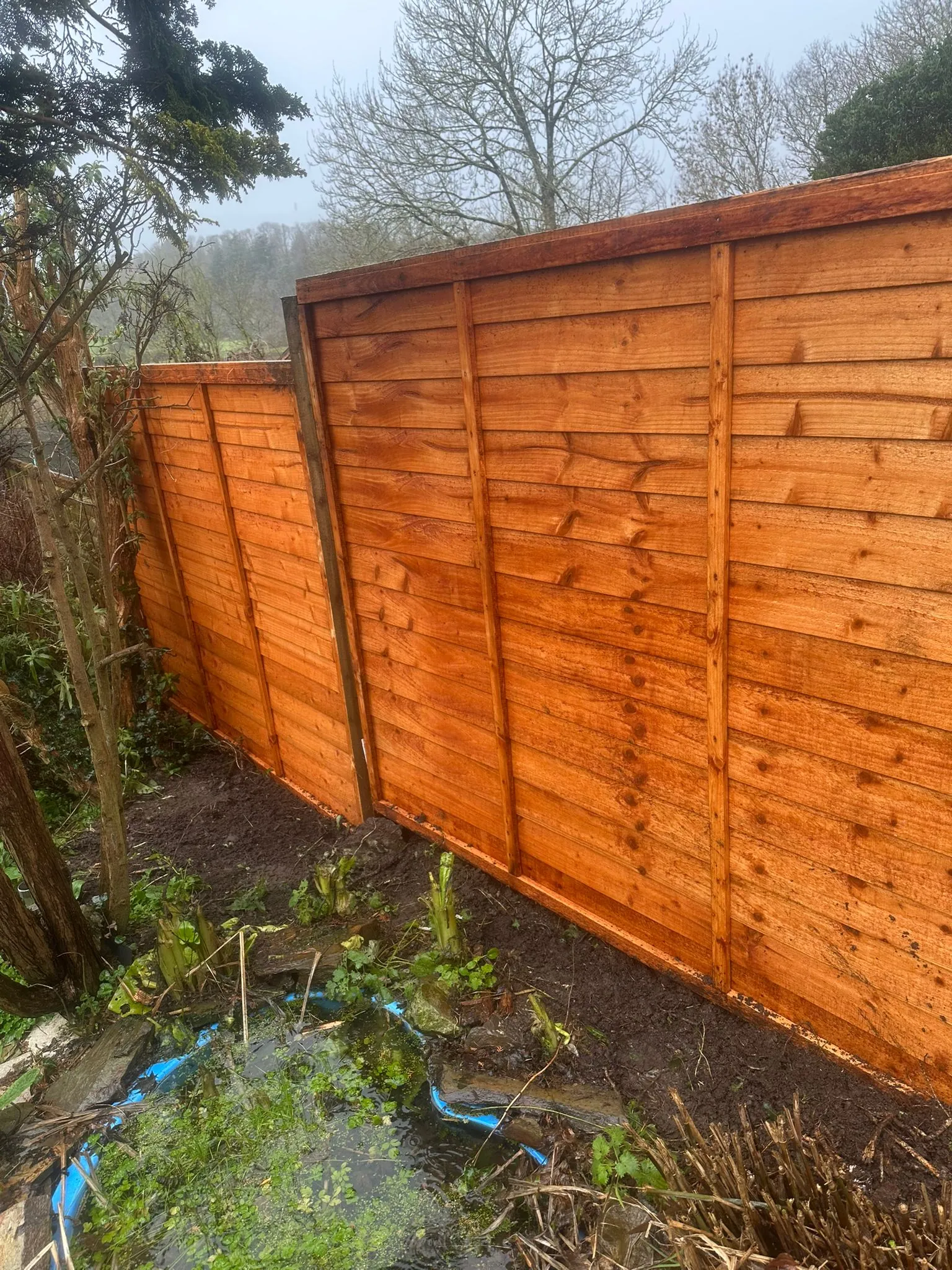
Winter in North Devon is not kind to garden fencing. The combination of persistent rain, saturated ground, gale force winds, and the occasional hard frost creates a perfect storm of conditions that test every component of your boundary. A fence that sailed through summer can be struggling by January, and the difference between a fence that survives the winter and one that fails often comes down to maintenance.
This checklist is designed for homeowners in Barnstaple and the surrounding area. It walks through the key maintenance tasks that will keep your fence standing through the worst of the North Devon winter, with specific advice for the conditions we face in this part of Devon.

Why Winter Hits North Devon Fences Harder Than Most Places
Before getting into the checklist, it helps to understand why winter is so tough on fencing here specifically.
Rainfall. North Devon receives around 1,000 to 1,200mm of rain annually, with the bulk of it falling between November and March. That is significantly more than the UK average, and it means the ground around your fence posts is saturated for months at a time. Wet soil is weaker soil, and posts that are not set deep enough will loosen.
Wind. The prevailing south westerly winds come straight off the Atlantic. Coastal areas from Ilfracombe to Bideford take the brunt, but the wind funnels inland through the Taw Valley and across the hills around South Molton and Great Torrington. A solid fence panel presents a large surface area to these winds, and the force is considerable.
Salt. For coastal properties, salt spray in the air accelerates corrosion of metal fixings and can affect the surface of timber treatments. Gates and fences within a mile or two of the coast age noticeably faster than those further inland.
Freeze thaw. While we do not get prolonged deep freezes in North Devon, we do get repeated cycles of frost and thaw through the winter. Water that has soaked into timber expands when it freezes, opening up cracks and splits. Over a winter, this can significantly weaken fence panels and posts.
Understanding these factors makes the maintenance tasks below make more sense. Each one addresses a specific winter threat.
The Winter Maintenance Checklist
1. Inspect Every Post
Start at one end of your fence and walk the full length, testing each post. Push firmly at chest height. A post that is solid will not move at all. Any movement, however slight, is a warning sign.
Posts fail from the bottom up. The timber at ground level, where it is constantly damp and in contact with soil, is where rot takes hold. By the time you can see rot above ground, the damage below is usually extensive.
For timber posts, dig down a few centimetres around the base and probe with a screwdriver or blunt tool. Soft, spongy wood means rot has set in. A post with rot at the base needs either replacing or spurring with a concrete repair spur.
For concrete posts, check for cracks. Concrete posts do not rot, but they can crack under impact or from ground movement. A cracked concrete post is still functional but should be monitored.
2. Check Every Panel
Examine each panel for structural integrity. You are looking for:
- Split boards where individual timbers have cracked along the grain
- Missing boards that have blown out or rotted away
- Frame separation where the panel is coming apart at the joints
- Sagging or bowing indicating the frame has weakened
- Rot at the base where the panel meets the gravel board
Minor splits can be filled with exterior wood filler. Missing boards should be replaced with matching timber. A panel with frame separation or significant rot needs replacing, as it will fail in the next strong wind.
3. Examine All Fixings
Check every screw, nail, and clip holding the fence together. Look for:
- Rusted fixings that have lost their strength, particularly in coastal areas
- Loose screws that have worked out over time
- Missing clips that have fallen away
Replace rusted fixings with galvanised or stainless steel equivalents. Tighten loose screws. Replace missing clips. This is fiddly work but it prevents panels rattling in the wind and eventually working loose.
4. Clear the Base of the Fence
Rake away any build up of leaves, grass clippings, soil, or debris that has accumulated against the bottom of the fence. This material holds moisture against the timber and creates the damp conditions that rot thrives in. It also harbours pests and can encourage mould growth.
A clear gap of a few centimetres between the ground and the bottom of the fence allows air to circulate, which helps the timber dry between downpours. If your fence does not have gravel boards, consider having them fitted. They are a timber or concrete plank that sits at ground level and keeps the main panels clear of wet soil.
5. Check and Clean Drainage
Look at the ground around the base of your fence posts. Is water pooling there after rain? If so, the drainage needs improving. Standing water around a post accelerates rot dramatically.
For minor pooling, regrading the soil so it slopes away from the post can help. For more serious drainage issues, you may need to install a small gravel channel or French drain along the fence line to carry water away.
This is particularly relevant for gardens in the flatter areas around Barnstaple and Bideford, where heavy clay soil drains slowly and water can sit for days after heavy rain.
6. Apply a Protective Treatment
If your fence has not been treated in the last three years, a winter protective treatment is one of the most valuable things you can do. A quality wood preservative soaks into the timber and creates a water repellent barrier that reduces moisture uptake through the winter.
Pick a dry day with no rain forecast for at least 48 hours. The timber needs to be dry on the surface for the treatment to absorb properly. Apply with a brush or sprayer, working the treatment into all surfaces including the tops of posts and the ends of panels where moisture uptake is highest.
For coastal properties around Braunton, Croyde, and Ilfracombe, a treatment with added UV protection will also help prevent the sun bleaching and surface checking that salt air and sunlight combine to cause.
7. Prune Back Vegetation
Any plants growing against or over your fence need cutting back before winter. Ivy, climbing roses, clematis, and wisteria all add weight and wind resistance to a fence. In a storm, the extra surface area acts like a sail, increasing the force on the panels and posts.
Cut back growth so there is a clear gap between the plant and the fence. This also improves airflow, which helps the timber dry out and reduces the risk of mould and rot.
For large shrubs or trees near the fence line, check for dead or weak branches that could snap and fall onto the fence in a storm. Prune these out now rather than waiting for them to come down in January.
8. Secure Gates
Gates take more punishment than fence panels because they move. Check that:
- Hinges are secure and not pulling out of the post or gate
- The gate hangs level and does not drag on the ground
- The latch engages properly and the gate stays shut in the wind
- The gate post is plumb and not leaning
A gate that drags or does not latch properly is a nuisance all winter and will get worse as the ground softens. Adjust hinges, rehang the gate, or replace worn ironmongery before the weather turns.
9. Check for Overhanging Hazards
Look up along the fence line. Any trees on your property or neighbouring land with branches overhanging the fence are a risk. A mature branch breaking in a storm can demolish a full run of fencing.
For your own trees, have overhanging branches pruned back. For neighbour trees, a polite conversation about the risk to both properties is usually enough to get agreement on pruning.
This is particularly relevant for properties near the mature trees along the Tarka Trail, the established avenues in Barnstaple, and the wooded valleys around Bishops Tawton and Landkey.
10. Document the Condition
Take photographs of your fence from several angles, showing the condition of posts, panels, and gates. This gives you a baseline to compare against after the winter, and provides useful documentation if you need to make an insurance claim for storm damage.
When to Call a Professional
Some maintenance tasks are DIY friendly, but others need professional tools and experience. Call a local fencing contractor if:
- One or more posts are rotten or loose and need replacing
- Multiple panels are damaged and need replacing
- The fence is leaning or has clearly moved in the ground
- A gate needs rehanging or the gate post needs replacing
- You want gravel boards fitted to an existing fence
- You need emergency repairs after a storm
A professional can assess whether a repair is sufficient or whether a full replacement is more cost effective. They will also have access to treated timber, concrete, and fixings that are properly specified for North Devon conditions.
Find out more about our fence repair service in Barnstaple.
The Payoff: A Fence That Lasts
Fence maintenance is not glamorous, and it is easy to put off in favour of almost anything else. But the payoff is significant. A fence that is inspected and maintained each autumn and winter will last years longer than one that is ignored. The cost of a few hours of maintenance is a fraction of the cost of a full fence replacement after a storm.
If you would rather have a professional handle the inspection and any necessary repairs, we are happy to come out and take care of it. We work across Barnstaple, Bideford, Ilfracombe, Braunton, South Molton, and the surrounding area, and we know exactly what North Devon winter does to a fence.
Contact us for a free fence inspection and quote

About Nathan
Nathan has spent more than 10 years installing and repairing fences, decks, and garden structures across North Devon. He takes a practical, detail-first approach to every project, using materials that are properly specified for the coastal weather around Barnstaple, Bideford, and Ilfracombe.
Learn more about NathanNeed Fence Maintenance in Barnstaple This Winter?
If you would like a professional inspection or repairs before the worst of the weather arrives, get in touch. We offer free, no obligation quotes across North Devon.
Call 01271 626340 or contact us online to arrange a visit.
Serving Barnstaple, Bideford, Ilfracombe, Braunton, South Molton, and surrounding North Devon areas with professional fence maintenance and repair you can rely on.